

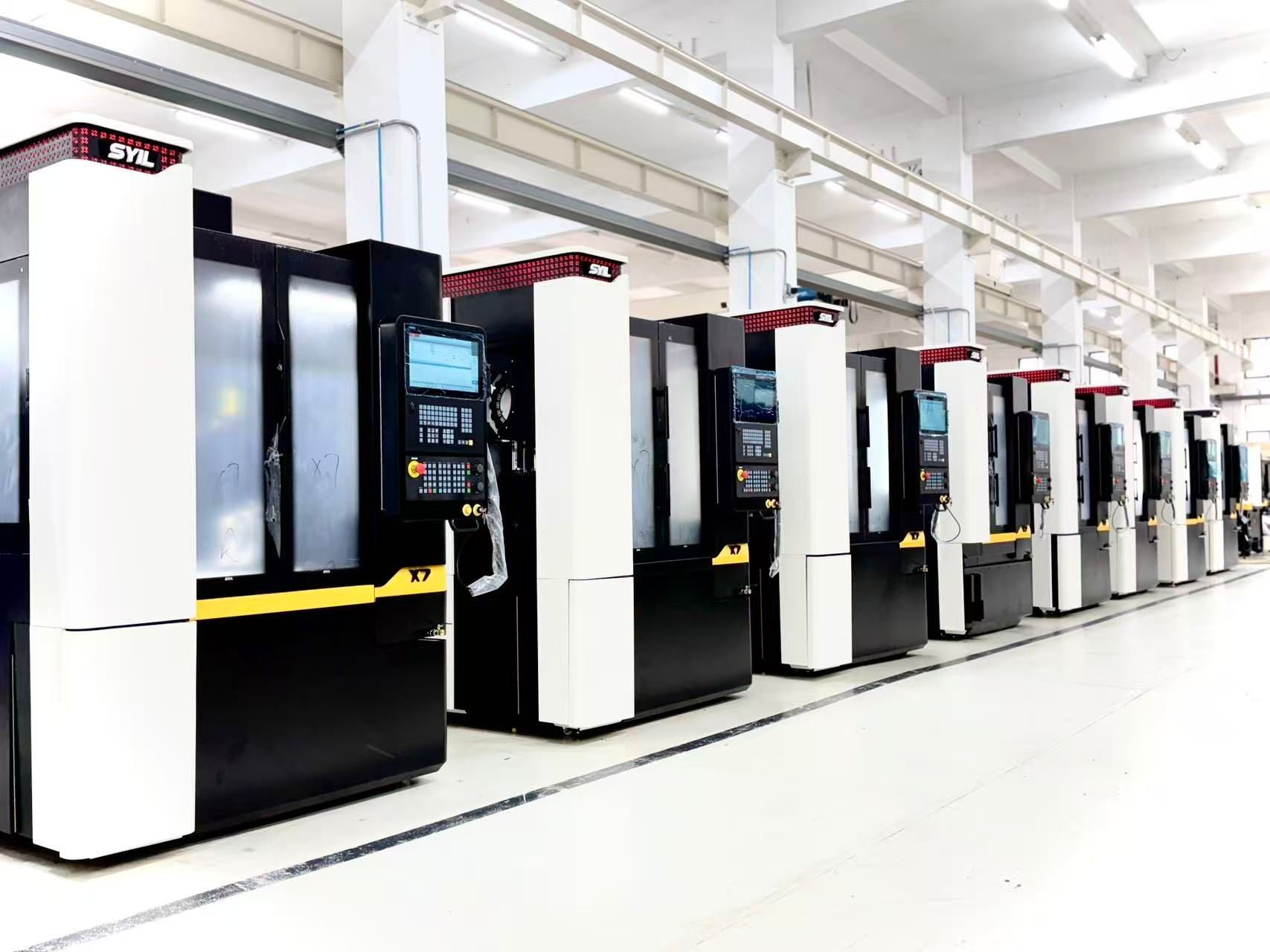
Most fabrication, automation and job shops start by sending prismatic parts out. That works until lead times slip, a design changes mid-job, or the same bracket comes back every month with a new charge. A CNC Vertical Milling Machine on your own floor puts that work under your schedule. This guide covers when outsourcing stops making sense, what changes day to day, and how to get ready before the first chip.
When outsourcing stops paying off
Outsourcing still fits true one-offs or processes you do not want to own. It stops paying off when several of these show up together:
- The same parts keep coming back. Repeat brackets, plates, housings and fixture components are the classic case.
- Lead time is the bottleneck. Assemblies wait on a vendor while your own floor is idle.
- Designs change often. Automation shops revise parts between builds; every revision out adds days.
- Quality loops are slow. A wrong part means another wait. In-house, you fix the program and cut again the same day.
- You already have CAD and CAM. The path from file to finished part is shorter on a machine you control.
One CNC Vertical Milling Machine aimed at the parts you buy most often is enough to start.
What a CNC Vertical Milling Machine does in a job shop
A CNC Vertical Milling Machine is a machining center with a vertical spindle. The part sits on the table in a vise, on a fixture plate or on a rotary table, and the spindle runs programmed X, Y and Z moves. With an automatic tool changer, one program can face, drill, tap, pocket and finish without hand-swapping cutters.
In a typical shop that covers aluminium and steel plates, brackets and covers; custom fixture parts; short-run housings for automation projects; and secondary ops on parts that arrive turned or fabricated.
It does not replace every vendor. Heavy production, special processes and overflow can still go out. Own the work that slows you down or comes back too often.
What changes once the machine is yours
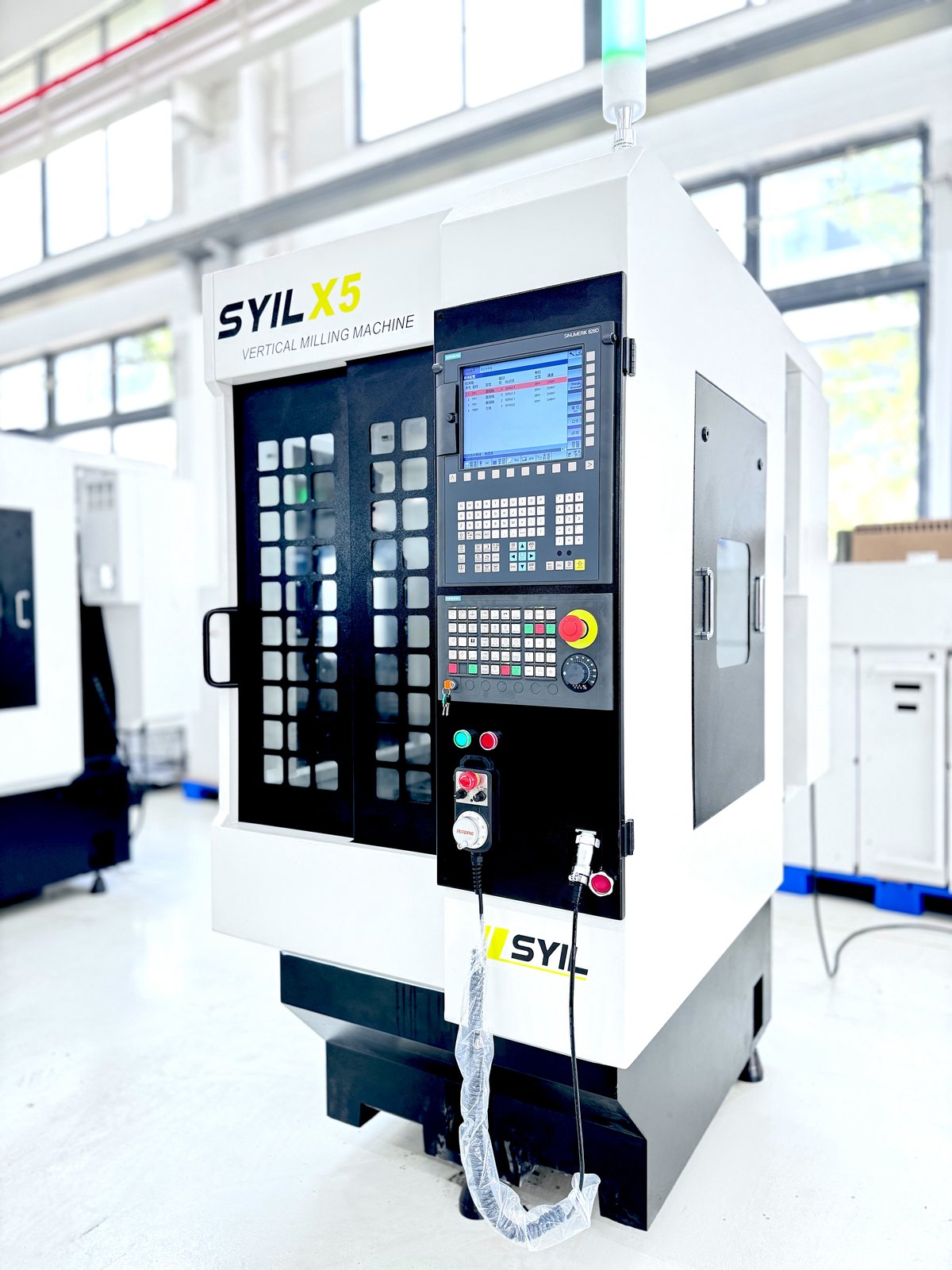
Bringing a machining center in-house changes more than the PO:
- Schedule. You decide when the part runs. Rush jobs no longer depend on a vendor's queue.
- Iteration. A design tweak is a program change, not a new RFQ.
- Skills. Someone has to program, set up and maintain the machine. Plan dealer training before delivery.
- Consumables. Tooling, holders, coolant and workholding become regular spend. Budget a starter set, not only the machine.
- Floor plan. Leave room for the machine, door swing, chip handling and staging for material and finished parts.
Shops that treat the machine as a scheduled resource see the benefit first.
Get the shop ready before delivery
A clean install beats a machine waiting on missing pieces. Work through this with your dealer:
- Parts list. Collect the parts for the first six to twelve months. Size, material and batch size drive travel, taper and tool capacity.
- Floor and access. Confirm the route in, floor loading, and space to open doors and the electrical cabinet.
- Power and air. Most machining centers need three-phase power and steady compressed air. Confirm voltage early.
- CAD/CAM and the control. Your CAM system needs a post processor for the SIEMENS SINUMERIK 828D. Many operators already know this control, and training material is easy to find.
- Tooling and workholding. Order BT holders, a tightening fixture, a starter cutter set and a machine vise so day one is productive.
- Who runs it. Name the person who will own programming and setup, and book training around install.
For travel, spindle taper, tool changers and floor space, see the Small CNC milling machine buyer's guide.
Which SYIL Vertical Milling Machine fits
SYIL builds three CNC Vertical Milling Machines for small to medium shops. All three run the SIEMENS SINUMERIK 828D on a SCHNEEBERGER mineral casting. Designed in Germany.
| SYIL X5 | SYIL X7 | SYIL X9 | |
|---|---|---|---|
| Travel (X × Y × Z) | 300 × 260 × 300 mm | 400 × 300 × 380 mm | 760 × 500 × 500 mm |
| Spindle taper | BT30 | BT30 | BT40 |
| Spindle | 20,000 rpm, direct drive | 12,000 rpm, belt driven | 10,000 rpm |
| Tool changer | 16 tools | 16 tools, arm type | 24 tools, arm type |
| Best fit for in-house work | Smaller brackets and plates, tight floor space | More Z height and table length on BT30 | Larger parts, heavier fixtures, bigger tools |
How to read it: start from the largest part on your "bring back" list, including the vise or fixture. If it fits the X5, you get the smallest footprint and the highest spindle speed. Choose the X7 for more room on BT30. Move to the X9 when larger parts, heavier fixtures (up to a 500 kg table load) or BT40 tools become regular work.
If turned parts with cross holes, flats or hexes are also on that list, a CNC lathe with live tooling can finish them in one clamping and free the Vertical Milling Machine for prismatic work.
Options that grow with the work
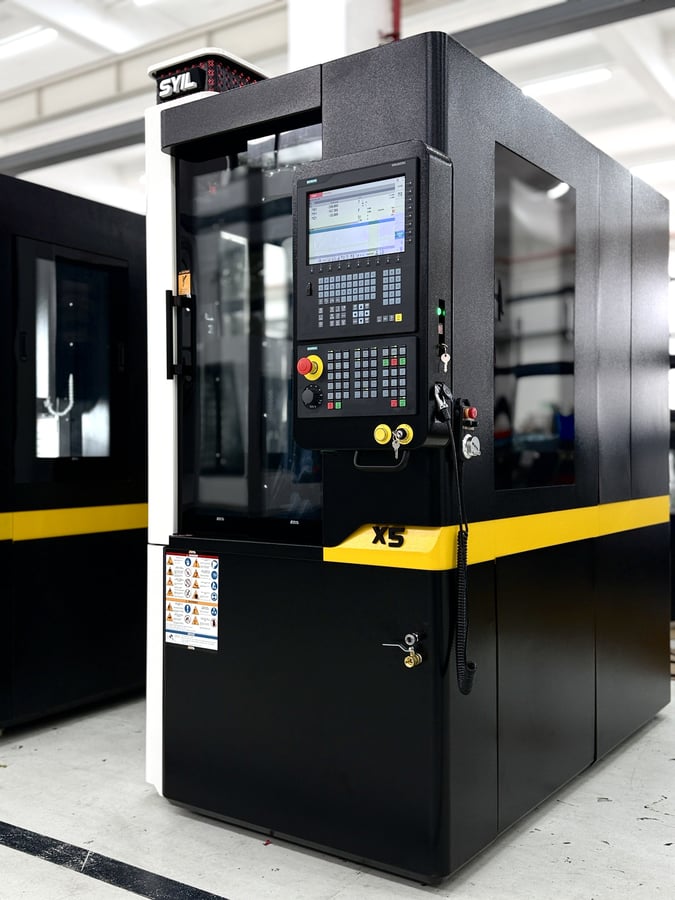
You do not have to order every option on day one:
- 4th-axis rotary table. Machine around a part in one clamping — useful for housings, manifolds and multi-face fixture parts.
- Workpiece probe and tool setter. Speeds setup and cuts scrap when jobs change often.
- Chip and coolant options. Matter more once the machine runs full shifts.
Ask your SYIL dealer which options can be added later and which to order with the machine.
Frequently asked questions
When should a shop bring CNC milling in-house?
When the same parts keep coming back, lead times hurt assemblies, or design changes make vendor loops too slow. One machine aimed at those parts is enough to start.
Is a CNC Vertical Milling Machine the same as a machining center?
In shop talk, yes: a CNC Vertical Milling Machine is a vertical-spindle machining center with programmed axes and, usually, an automatic tool changer. "CNC machining centers" and "CNC Vertical Milling Machine" point at the same class of machine.
Do I need prior CNC experience?
It helps, but it is not a hard gate. Name an owner for programming and setup, get a CAM post for the SINUMERIK 828D, and book training at install.
What about parts that also need turning?
Keep milling and turning separate. Prismatic parts belong on a Vertical Milling Machine. Turned parts with milling features often belong on a lathe with live tooling.
Will one machine replace every vendor?
Usually not. Keep outsourcing for overflow, special processes and true one-offs. Own the repeat work that sets the schedule.
Next step
If you have a short list of parts to bring back under your roof, we can help match them to a machine. Request a quote for the X5, X7 or X9, or book a machine demo to see one run.